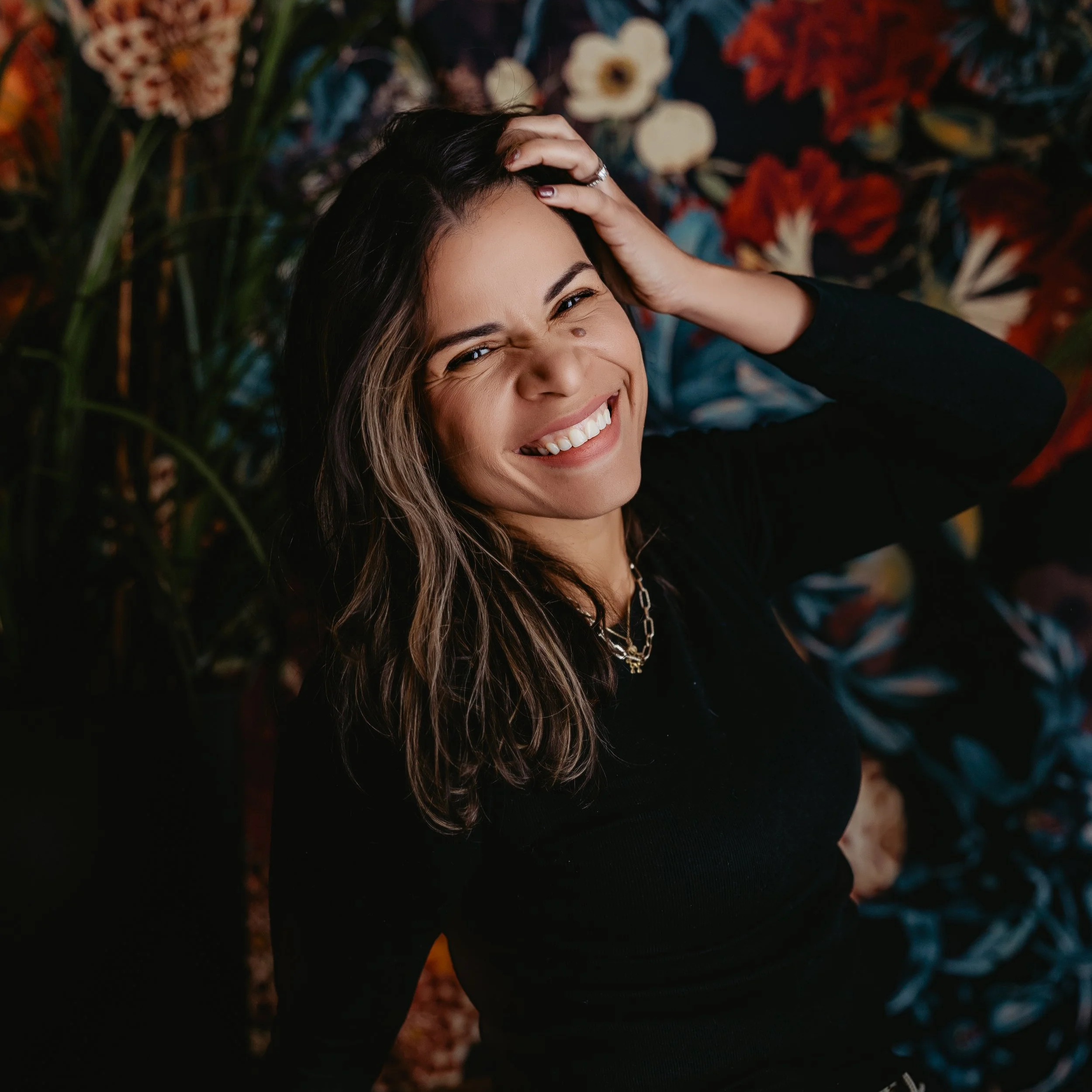
"It was me and God processing through all those emotions. I had done what I thought were all the right things. I married someone who loved Jesus. I had done my best to serve God faithfully wherever I was. And I kept thinking, did God just think I wasn't going to be a good mother?"
This question lingered with Erika Santos at a critical time in her life. As a busy executive, she valued marriage and children, yet she sometimes struggled with both, despite living faithfully and serving God throughout.
Growing up, she had always dreamed of being a mom, wife, and businesswoman. Born in Brazil into a middle-class family, she learned the value of hard work by watching them provide for her and her sister while caring for extended family. Her parents also taught her to lean on God early. As the oldest, she carried the weight of being responsible, ready to be there for her family."They never put that on me," Erika says. "It's just something that was part of who I was."
She was also inspired by her grandparents’ faith and care, especially her grandfather, who had little but gave what he had to others. "His faith was not just theory," she says. "It was active. It was real. It was love."
At 12, her parents moved the family to Shanghai, China, for a career opportunity, then to the New Jersey suburbs a year later. Coming of age in China and New Jersey as an outsider without knowing Chinese or English, she learned to persevere and find her path across diverse cultures, an experience that shaped how she sees the world and where she stands in it.
“I think one of the biggest benefits it gave me was learning to be adaptable and understanding that people can look different and yet relate to each other deeply” says Erika. “They may express their thoughts differently, but they all have value to add.”
Her hard work and resilience led her to New York University, where she studied economics and journalism, with a bit of psychology on the side. After graduation, she entered consulting to build a foundation for what came next. After several years of extensive travel, she decided to pursue a Master of Business Administration at Dartmouth in New Hampshire under a full scholarship.

By then, Erika had been married for a few years to her best friend, whom she met at 14 while visiting his church's youth group with a friend. They stayed friends for seven or eight years before their friendship turned romantic a couple of years after she graduated from college. By then, they knew each other's families, values, and faith, and they walked confidently into marriage in 2006, when he was pastoring a small church in New Jersey, and she was working in consulting.
“Let me tell you,” Erika says, “those first few years were not what I expected. Actually, much of our journey was not what I expected.” As a married couple, they had great adventures and loved each other. But they kept facing the same recurring struggles, for which they sought counsel from people they trusted, tried couples therapy more than once, read numerous relationship books, and discussed them repeatedly. “I felt very confident that God had led me into the marriage," she says. "But I struggled to understand why it had to be so hard.”
She was also dealing with infertility after trying for a few years to have a baby. Even with some interventions, nothing worked. Amid their struggles, she was reminded of a quote she credits to Tim Keller: “What do you call it when you pray and pray, God doesn't answer the way you wanted, and you follow God anyway? It's called love,” she says. “You are there, serving Him for who He is, not for what you get out of it.” In a culture that promises the white picket fence, she adds, disappointment can come easily. “But our hope in the future to come is so much bigger than what our eyes can see.”
Then one day, while on a commercial shoot in Portland, Oregon, Erika received a call that questioned that very hope. Her paternal grandmother, the woman who had longed for so many years for Erika to have a baby, had suffered a stroke. Erika booked a flight immediately and headed to Brazil, unsure whether she would see her grandmother alive. Her grandmother never regained consciousness and died that August.
Before the funeral at the dining room table, Erika told her parents she would keep following God, but added, “In this part of my life, I'm going to trust science because God's not coming through for me.” Her parents didn't lecture her. They sat with her and held her hand.
Then the miracle happened. Two months later, a routine pregnancy test before a scheduled surgery came back positive. That first Christmas without her grandmother, Erika told her parents they were finally going to be grandparents. “I grieve that we didn't experience that together,” she says. “But I also saw a different plan God had, and the gift I got to share with my parents that first Christmas without grandma.” Soon after, Erika and her husband became parents to two boys, born two years apart.
The miracle in her marriage would take longer.
Even after her children were born, things grew heavier, and Erika felt stumped. It all came to a head during the pandemic, when Erika and her husband were now together at home 24/7. It became a dark period, with a lot to process and challenge amid a cross-country move.
The answer came a few years later, when her younger son was diagnosed with Attention-Deficit/Hyperactivity Disorder (ADHD). At the time, she learned that ADHD has a strong genetic component, so her husband was evaluated and diagnosed as well. “All of a sudden, all of the things that we struggled with made sense,” Erika says. “And our marriage finally became all the things that both of us had dreamt of.” By then, they had been married for 18 years. Although she wishes the diagnoses had come sooner, Erika believes those struggles helped shape her character and faith, and gave her a deeper sense of purpose.
This has been a recurring theme in Erika’s life, with God repeatedly using adversity to develop her leadership skills, both at home and in the workplace. Her childhood, spent learning and adapting to various cultures, became the foundation of her leadership, teaching her to work well with people from different cultures, bridge differences, understand people deeply, and see value in all of them. Skills she draws on every day as she works with teams across the globe.
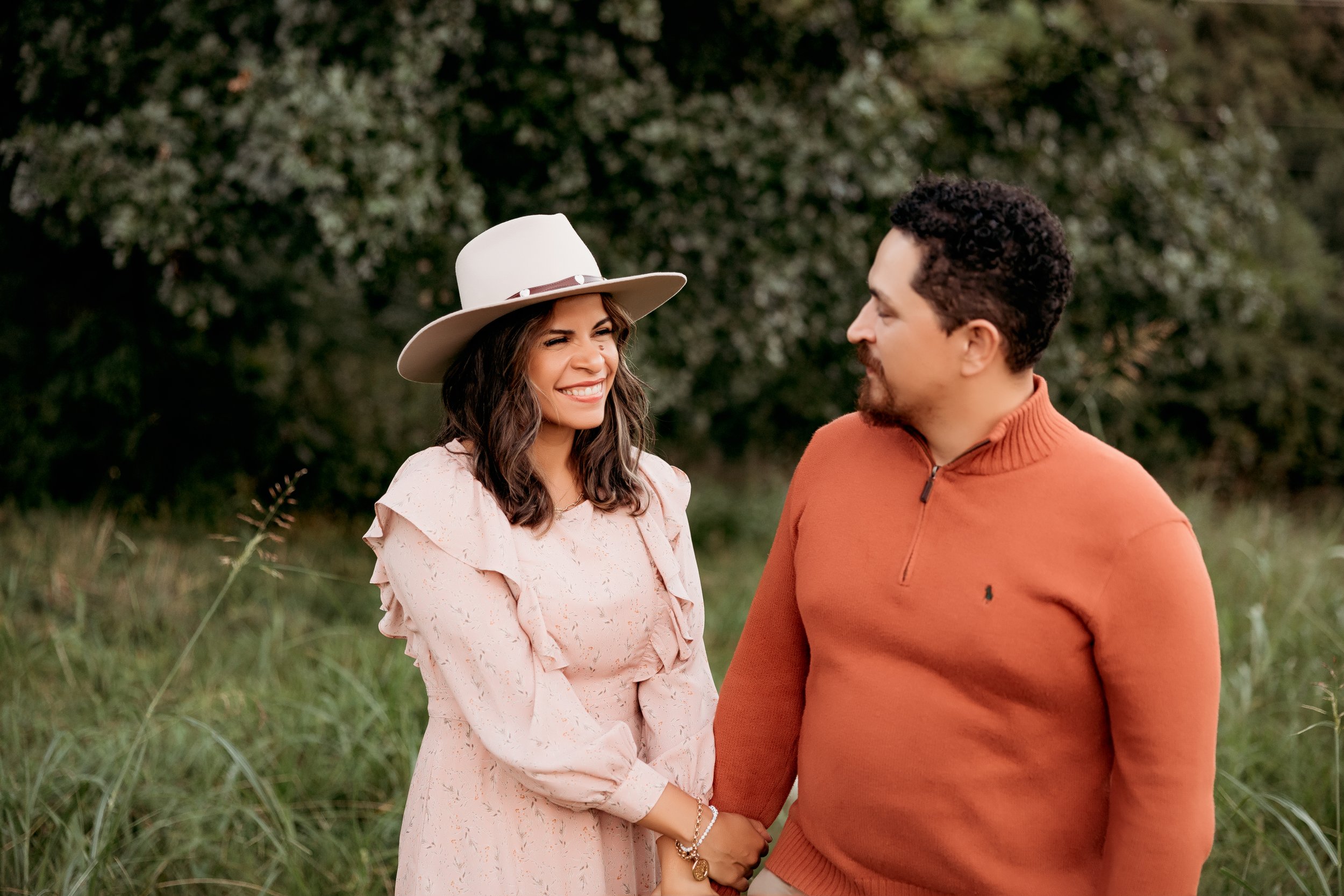
Erika applied those same skills to reshape her parenting style. Soon after the diagnosis, she realized she had been coaching and disciplining her younger son with methods that worked for her older son, who doesn't have ADHD. “The way his brain works is completely different,” she says. “He's extremely smart. ADHD is not an IQ thing. God created him just as he was meant to be. God doesn't make mistakes. He also doesn’t waste our tears. Our scars can become our ministry.”
With that conviction, Erika and her husband are combining their passion with their business and clinical therapy backgrounds to create educational resources that help parents and churches better serve neurodivergent children and adults.
When they couldn’t find anything on the market that worked for their son with ADHD, they built them. After seeing significant improvement at home, they decided to release them to the public. One app is called Kids Chore Chart, and it helps kids with executive function, a major challenge for children and adults with ADHD. The second app is called Kerigami Timer, and it helps children with homework and tasks, using ADHD research. Both apps are designed to deliver consistent results for children and parents, ease the mental load, and help children become more independent.
While the app's success was a welcome bonus, working with her husband proved the most surprising benefit. Before the diagnosis, offering constructive criticism, a common sensitivity among those with ADHD, could be difficult. However, with awareness and treatment, their partnership and feedback methods finally clicked. Now, she provides execution and strategy, while her husband is the “creative genius,” deeply immersed in the technology and drawing on both clinical training and lived experience. “I never thought, quite honestly, that we would be working this well together,” Erika says. “But I love it.”
Her goal for the next five years is bigger than app downloads; it’s to see marriages and families restored. “About one in nine U.S. children has ADHD, and many adults never get tested,” says Erika. “Imagine how many marriages might be failing because of undiagnosed and untreated ADHD. Marriage is hard enough, but untreated neurodivergence can take it to another level.” She wants to point people to solutions so they can get tested, treated, and meet Jesus in the process.
Now, Erika no longer questions her identity as a wife, mother, or purpose-driven woman. She knows that her assignment in every season of her life is simply to be an obedient daughter, created in God’s image to see and champion the value of the people entrusted to her. “A great family, a great marriage, a great life is great," she says. "But then what? There's so much more to life, and beyond, in Jesus. God doesn't waste our tears. God has good plans for His children. There's hope in Him, and that's what I hold onto.”