
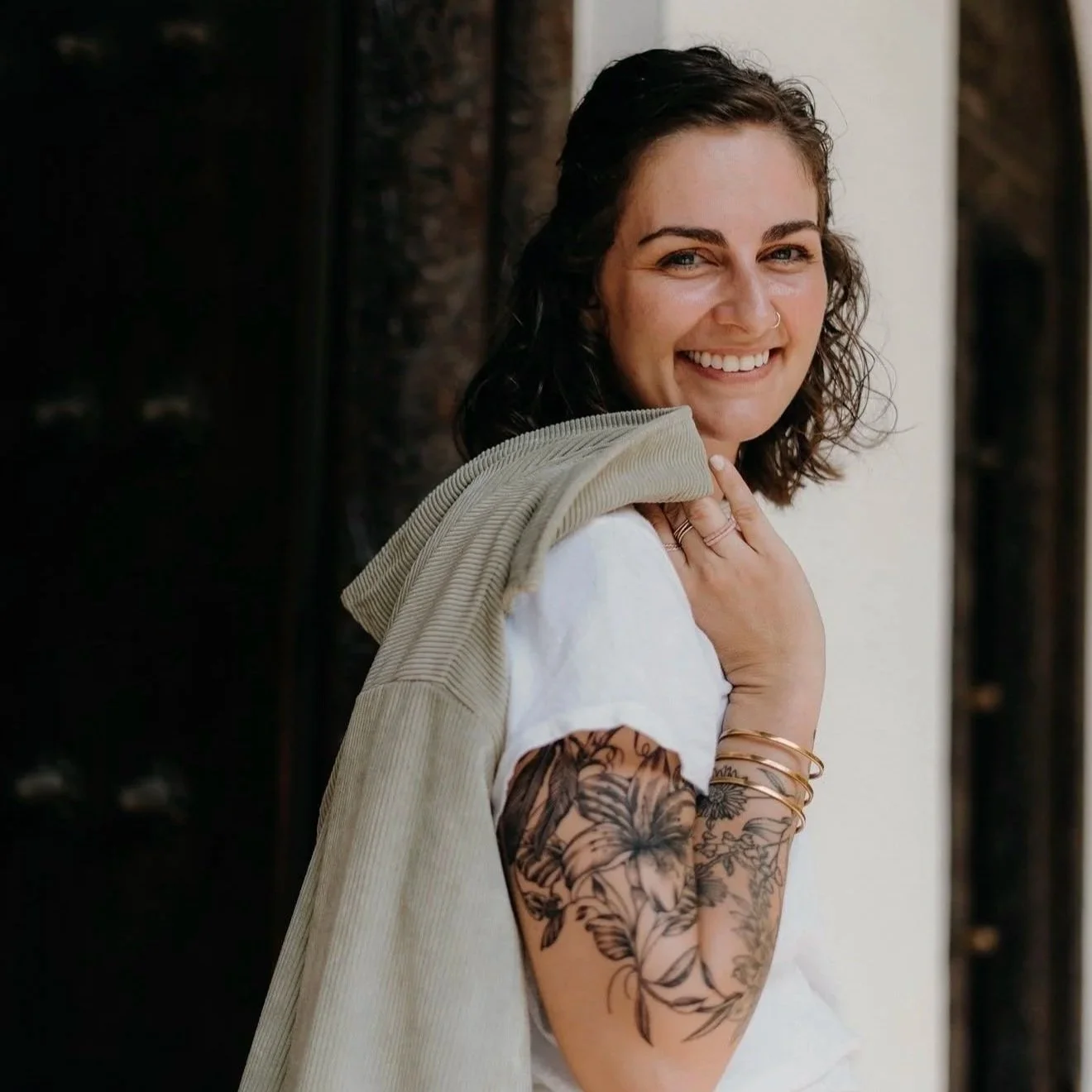
Jenny Nuccio via Instagram
We interviewed Jenny Nuccio, founder of Imani Collective, in 2019. So much has changed since then, yet the lessons from her bold decision to start an artisan collective in Kenya have stayed with us. This is for anyone starting something new who needs crazy faith for the journey.
“Trust me,” she said. “We’re going to build something beautiful.” And they did.
Jenny Nuccio is a dreamer. She is full of wild ideas about empowering overlooked and underserved women and is on a mission to show the world that we can “own what we’re made for.” This dream took her all the way to the Mtepeni Village in Kenya when she was 18 and then again every few years until she settled there in 2013.
Did I mention that she just gave birth to her youngest child four months ago? But that hasn’t slowed her down. In fact, her family is currently driving across the U.S. to meet with supporters and investors in person. Needless to say, she is the driving force behind Imani Collective, a start-up community of artisans based in Kenya – about fifty Kenyan men and women in the Mtepeni Village and Mombasa – and Dallas, Texas.
“When I was 18, I went on a missions trip to Kenya, and even though I was in school at the time, I knew that I had to go back one day,” said Jenny. “It was really the Holy Spirit saying, ‘Go back there, there is something more for you there. So in 2010, I went, and I worked with a couple there who were starting a school, and that’s when I originally met my women. I was helping build the child-sponsorship profiles for this school and would conduct home visits almost every day. While I was visiting the homes in the village, I realized that the most disadvantaged kids were coming from the homes where the mothers were single, widowed, or disabled. They were sent home from school even though it was only $2 a month. They just didn’t have it.”
That’s when something started stirring in Jenny’s heart. She knew that she had to do more to change the generational cycle of poverty. She was determined to break the cycle for these women whom she had come to care for so deeply. That’s when Imani Collective was born. In 2011, she founded the collective to serve other local organizations in various countries. Then in 2012, she spent three months living in the village and laid the groundwork for the collective to flourish in Kenya.
“I invited every woman in that village to a preliminary training program,” Jenny said. “There were about 40 to 50 women who showed up, and I interviewed them and visited their homes to see how the program would fit into their lives. I also visited the village chief to ask whether he would allow their women to attend if I started the program. I just wanted to see if we would fit in the community that we were going to be in. And by the end of that summer, there were 16 women still in the program.”
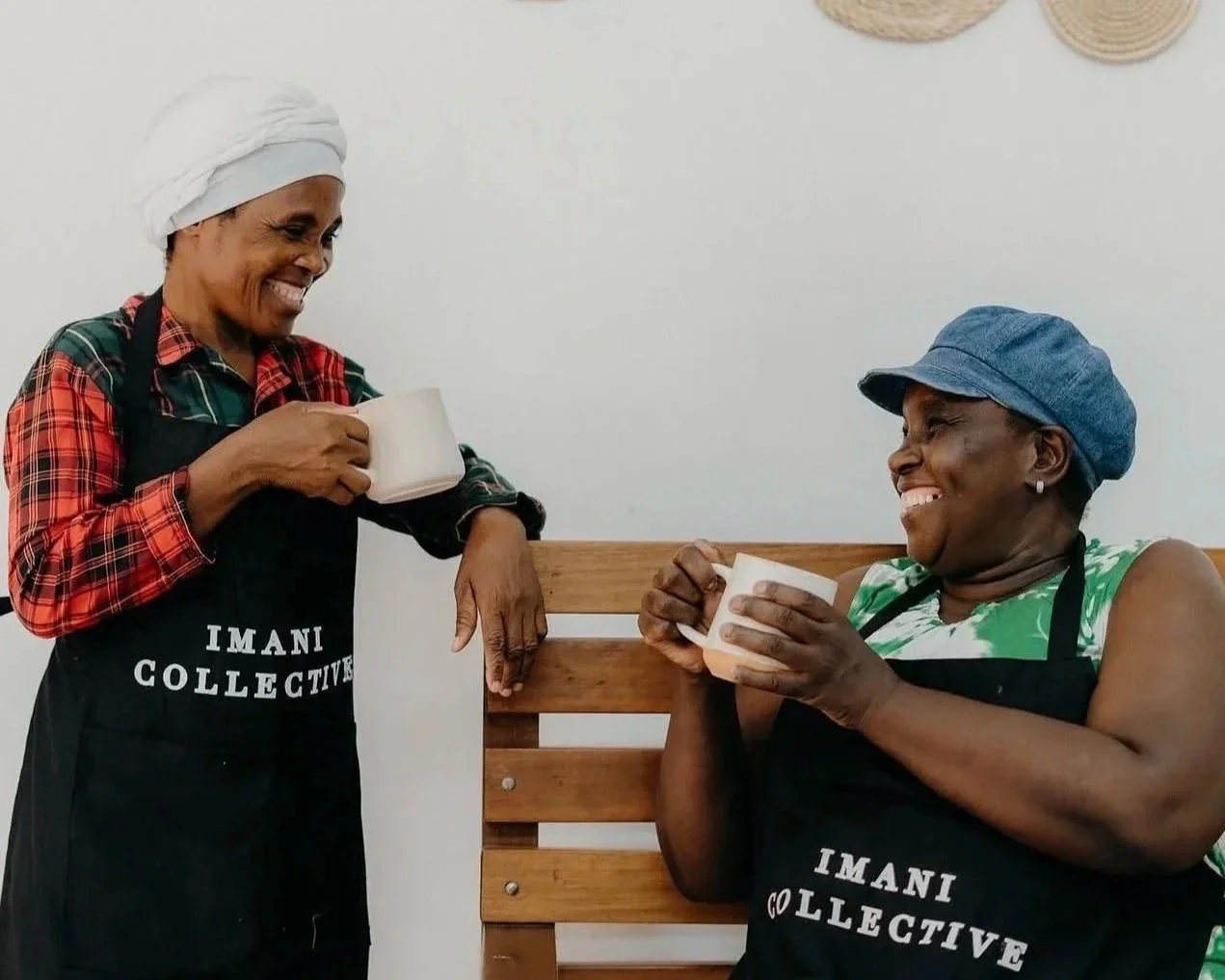
Imani Collective from Instagram
Jenny couldn’t afford to pay the women that summer, but she would meet with them twice a week to train them and teach jewelry-making and crocheting. She told those 16 women that they would be a part of her collective should she decide to return to Kenya. And she stayed true to her word in May 2013 when she sold everything she owned and moved to the Mtepeni Village. It was the moment when she turned her dreams into plans and began to build and champion the dreams of the women now in her care.
“My passion and inspiration was just focusing on the women, who they are, and building their confidence,” says Jenny. “In the beginning, I just wanted to teach these women a skill and really have them leave and go off and find a job. But I realized it was so much more than that. By building into them, it was completely changing their family dynamics, their kids’ confidence, and the way they thought about their future. Now five years down the road, it’s been really cool to see them transform, to be able to provide and fix their home, provide for their kids’ education, and want better for their kids. It’s been really cool to see that.”
Jenny Nuccio in Quotes:
On starting a business:
“Starting something is really hard, and there are still really hard moments now, so I think it’s important to push through and trust the process. There were so many times when I wanted to throw in the towel and quit because it was really hard. But I am proud of myself for sticking it out because it’s become something greater than I ever imagined, and it still has so much potential to grow.”
On building her girl gang:
“I’m just so proud of the team that’s developed both stateside and in Kenya, especially. In the States, it’s rare to find people who are willing to take massive pay cuts and who really believe in the mission. And then in Kenya, I’m so proud of the quality of the products the women create and of the fact that their items can be sold in markets globally. We’ve come so far. It’s not just the workforce or a women’s program, it’s a family. And everyone who has come into our program can feel that. I’m proud that we have created a community that fosters that.”
On faith:
“You know that saying, if you want to make God laugh, tell him your plans? Well, everything I’ve planned hasn’t turned out as I’d hoped. Imani Collective has been a faith journey, and every week the Lord surprises me by providing. I don’t think I would have continued if I’d known it wasn’t His will. He reminds me that this is the direction we needed to go. Every week, as we grow sales and sustainability and seek donations for different things, it comes in. It’s been a crazy faith journey, and I’m glad I haven’t given up on it but have continued to stay strong and let go of control.”
On staying true to the mission:
“I want to be very clear that our mission is Christ. It’s in our vision and mission, but it’s hard when you enter circles that love what you do but won’t support you on other levels because they know that one piece – that we follow Christ. It can be frustrating on the business front when you are trying to make sales or build connections. So it’s been interesting to stand firm as the founder, leading the organization, and saying, "This is who we are," even if we lose some customers in the process. We don’t just want to be an ethical source for clients to customize things. We always have to remind ourselves of that and stay true to our mission. It’s hard financially but freeing.”